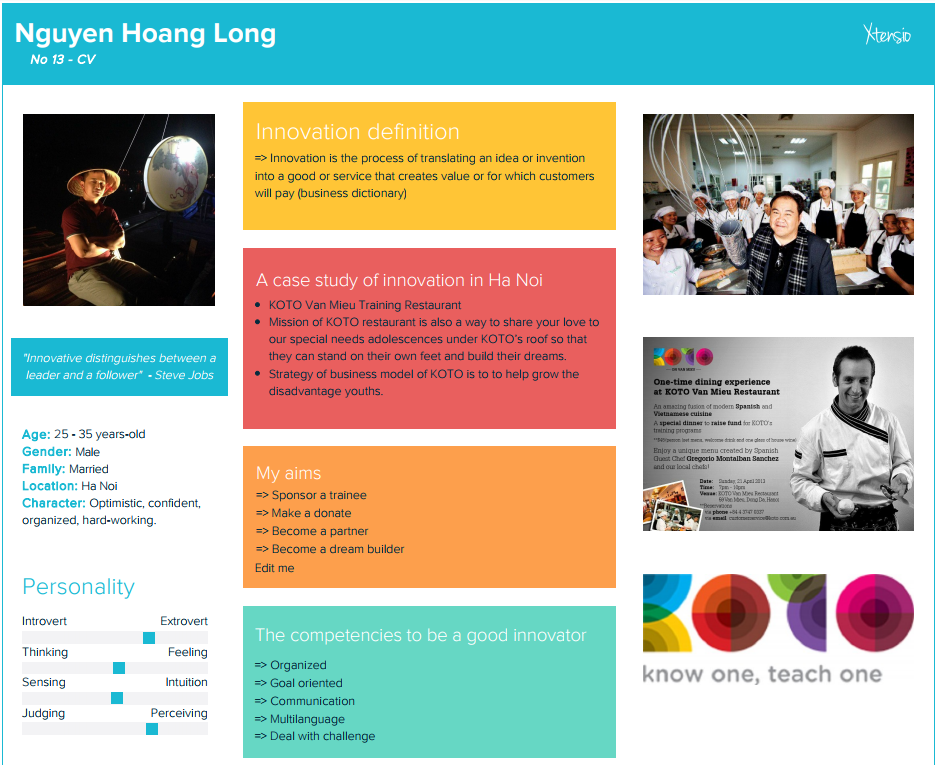
Nguyen Hoang Long – ID 13

Nguyen Hoang Long – ID 13
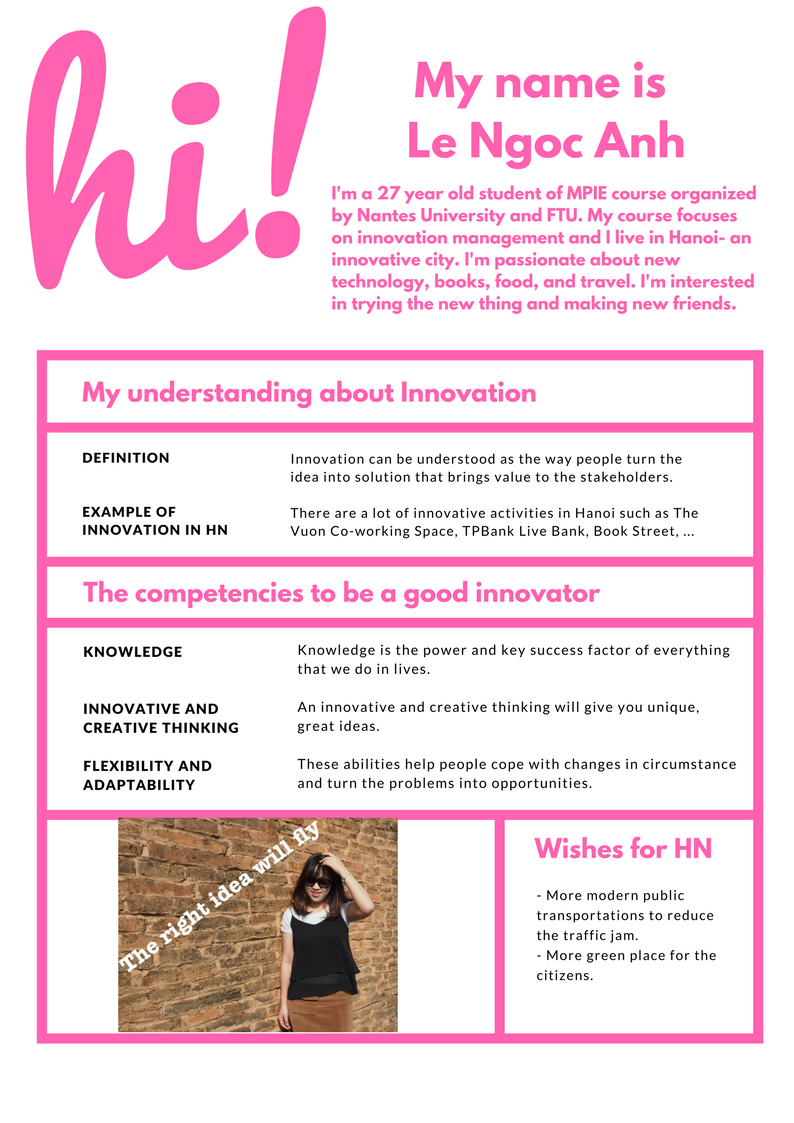
Hanoi is known as an ancient city however, nowadays Hanoi has been developing many innovative activities and organizations. From economic development view, Hanoi is considered as a young city, which results to change to working way and enviroment. Following that the rise of entrepreneurship is based on the creative working method. This is one of the most innovative ideas for Hanoi.
For instance, Hanoi has more and more accelerators, incubators, co-working space, innovation lab and creative hubs. Lets take “TOONG” as an example. It is not only a co-working space in Hanoi but also aims to become a house of invention where business leaders and entrepreneurs can work, collaborate and socilize.
Another example is Creative Lab Project in Inovation Labin Hanoi city. It was opened on June 25, 2017. In this space, customers can use all the mordern equiment and machinery, share their ideas, develop new products, as well as build a relationship with potential partners.
That is the way that Hanoi is creating the innovative value for the development not only for human but also for society.
Team member:
Phu Duc Anh 01
Ngo Minh Anh 02
Vu Thi Khanh Linh 12
Nguyen Manh Tung 17
Tran Thi Thu Trang 19
In our opinion, Hanoi is definitely an innovative city and has great potential to become more and more innovative in the future. We can easily find the innovation in many fields. In terms of innovation companies, we have around over 200 start-ups in different sectors such as: Foody (Food & Beverage), Topica (Education), MoMo (Individual Finance), etc. We have incubators like FIIS, HubIT, 5Desire. We have creative co-working space as Hanoi Hub, Vuon. Moreover, in education, we also have innovative universities and projects like: USTH, MPIE, etc. However, Hanoi still has many things that can be changed to be more innovative. We can have better innovative environment with the good guidance and control from government. All the start-ups and entrepreneurs can have more support in finance with investment from banks and venture capitalist inside Hanoi, not just from foreign investment. We can consider Ha Noi as an innovative city but it is just at the beginning of the innovation process. We still need to invest more both in finance and human resource to push up all the innovative projects and ideas in the future. Therefore, all the stakeholders need to be involved and together to make Hanoi become more innovative.
Group 3:
Team member:
Nguyen Hoang Nam: No 14
Hoang Thi Thai Ngan: No 15
Le Thi Quynh Anh: No: 04
Nguyen Hong Hanh: No 07
Nguyen Mai Huong: No 09
Nguyen Thu Ha: No 06
Nguyen Hoang Long: No 13
https://www.britishcouncil.vn/sites/default/files/social-enterprise-in-vietnam-concept-context-policies.pdf
Name: Hoang Thi Thai Ngan 015
SUMMARY
Social Enterprises have been formed from social initiatives, based on the need to address specific social issues of the community and led by entrepreneurial spirit of the founders. This unique dynamism and dynamic character leads to a public perception of the dynamic development of social enterprises. Up to now, nearly 200 organizations in Vietnam are considered to have attached the full features of social enterprises; the pioneering social organization was established in 1990, however, the concept of social enterprises is still very new in Vietnam.
Social enterprises are often recognized as “hybrid” models between two types of non-governmental organizations, non-profit organizations and enterprises. In fact, the Social Enterprise model can be applied to different types of organizations with different legal status, such as NGOs, limited companies, share companies, cooperatives, foundations, unions.
In the period before “Doi Moi”, Vietnam already had a number of models that could be regarded as social enterprises, which were cooperatives providing jobs for people with disabilities. After 1986, the renewal and open-door policy of the development within and outside the country.
Social enterprises in Vietnam face many difficulties due to limited public awareness official recognition from the state, lack of clear legal regulations, limited human resources, accessibility capital, management skills, community cohesion, as well as a system of intermediaries to provide support services and networking …
Social enterprises can help the Government achieve social goals. The promulgation of the law establish legal framework, formally recognize and issue specific policies to encourage and supporting social enterprises, as well as institutionalize the implementation of such policies is extremely necessary.
Personal analysis
There are four development trends in this article and I found NGOs trend is really interest. It associate with business arms to give more social value.
REACH is a local, VNese, non-government organization which was established in 2008, specializing in vocational training and employment for VN’s most disadvantage youth. They use an innovative, highly pragmatic and effective training model. In 2016, they have trained over 1000 students, with nearly 90% of their graduates obtaining and keeping a stable job within 6 months.
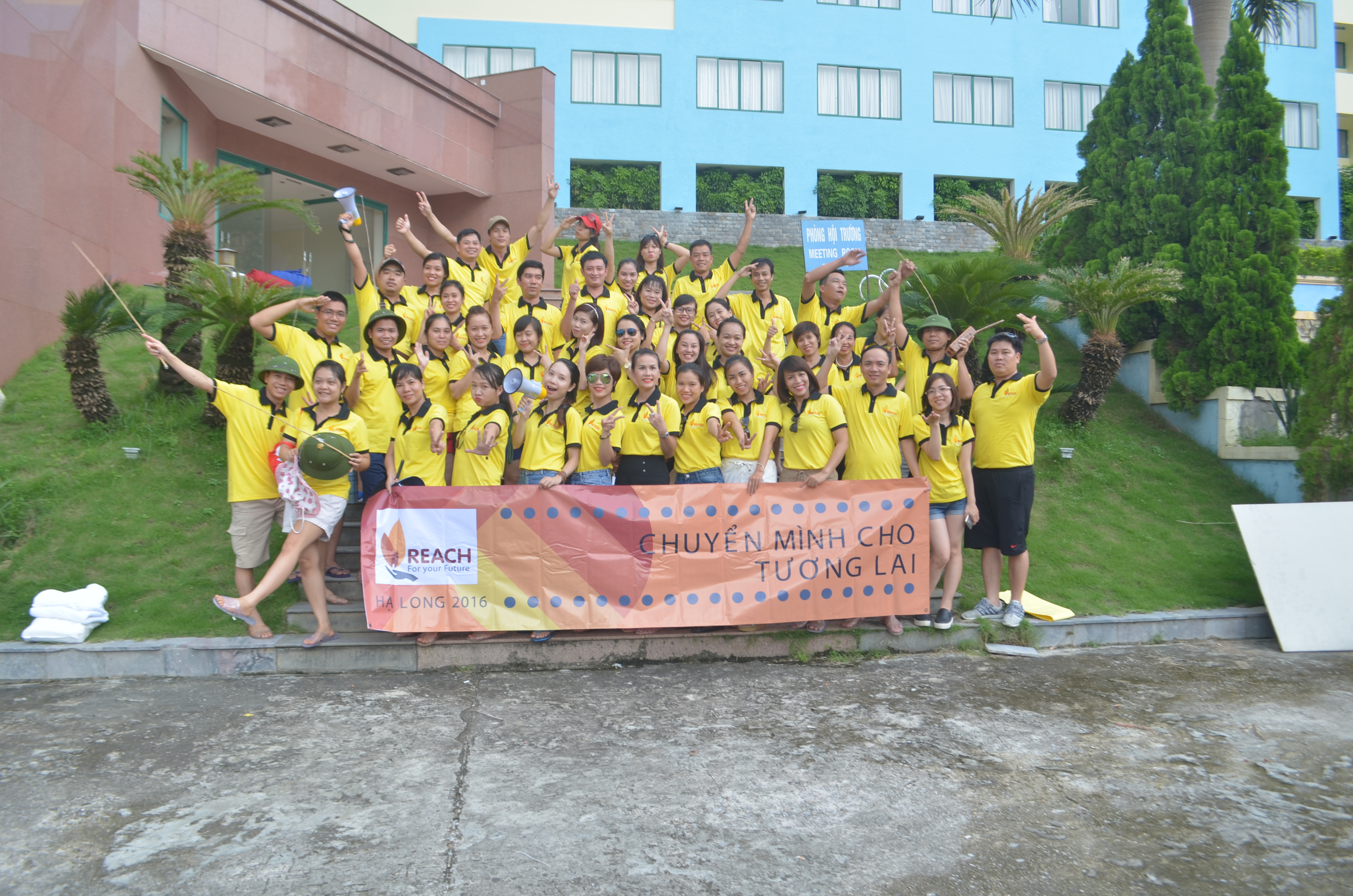 Image source: https://get.google.com/albumarchive/106727892139902648740/album/AF1QipPllb9up_Y3jgC1l1Niahj2Ae4mjWScciNaV6nj/AF1QipO64OespGgPadIQeMC0fyNFRYLcf2Rmj93QmoTU?source=pwa#6355623479793482706
Writer: Nguyen Hong Hanh – Number: 07
Source: https://www.fundamentalsofaccounting.org/wp-content/uploads/2017/11/ifrs_course.jpg
In Vietnam, Finance Statement regulations are follow Rules-based Accounting. Some countries followed this regulations such as Indonesia, Thailand, Phillipines… But the International Financial Reporting Standards (“IRFS”) follow Principles-based Accounting. Do these regulations have any conflicts in business results? This article will bring you an aspect about this question.
“IRFS” is applied from 1/1/2005 and over 100 countries have follow this regulations. Principles-based Accounting is used as a conceptual basis for accountants. A simple key of objectives are set out to ensure good reporting. The most basic benefit of this is bringing a clear guide to the accountants to specific case because of its broad guidelines and practical in a variety of circumstances. The problem with principles-based accounting is that lack of guidelines sometimes can produce unreliable and inconsistent information that makes it is difficult to compare one organization to others.
Rules-based Accounting is basically a list of detailed rules that must be followed when preparing financial statements. When there are strict rules that need to be followed, the possibility of lawsuits is diminished. Having a set of rules can increase accuracy and reduce the ambiguity that brings to management. The complexity of rules, however, can cause unnecessary complexity in the preparation of financial statements. Countries that follow this regulations will focus on how to write finance statements, rules… When the rules change, the students are worried about they have to learn all over again. Therefore, there is a worry about good students will not be attracted about the curriculum.
The finance standards are now changing rapidly and many countries are applied increasingly, which requires teachers to change the teaching method into principles, suitable with the present business results. The teaching of Principles-based Accounting will increase students’ judging about jobs, how to deal with problems in many cases, understand that there are some answers for one finance question, not only one. This will support students to find solutions by theirself, not by learning by heart.
In Vietnam, from 2001 to 2005, The Ministry of Finance has released 26 Accounting Standards, which are built on the world standards. In this trend, some companies with the foreign investment or big companies has applied IFRS such as VpBank, PVI Joint Stock Company have shown very clear and precise information. Many meetings about applying IFRS has been hold, such as “IFRS – Trend and Roadmap for adoption in Vietnam” in December 2016. From 2018-2020, 10-20 companies will be chosen to follow these regulations, and in the future, more and more companies will follow this. In Hanoi, one of the biggest training courses about IFRS for learners are hold by VCCI and Deloitte Vietnam. They often has courses for companies, bring a fresh view about IFRS and how to apply it in the jobs.
To change completely regulations in Vietnam is still under considering. Companies should encourage and make opportunities for staffs to learn and to change, It will bring a different way in manage business.
Source:
https://www.investopedia.com/ask/answers/06/rulesandpriciplesbasedaccounting.asp
http://vaa.net.vn/Tin-tuc/Tin-chi-tiet/newsid/3951/GIANG-IFRS-TRONG-DAO-TAO-KE-TOAN
Writer: Nguyen Hong Hanh – Number: 07
Vietnam is now a developing country and fastly intergrated with other countries. The opportunities for international companies to join the market is very potential. But to make sure Doing Business in Vietnam is on the right way, there are many regulations that companies should know to be competitive. Some important aspects I will mention in this summary is Accounting and Auditing, Human Resources and Employment Law, Banking and Capital Markets, which cover many business activities of every company.
The accounting framework is now fully complete and suitable for Vietnam companies and international companies. There are currently 26 Vietnamese Accounting Standards (“VAS”) and the accounting framework is mainly rules-based accounting rather than a principles-based one. Rules-based accounting is a list of detailed rules that must be followed in financial statement. With a set of rules, the accuracy will increase and the ambiguity will diminished. The accounting period is generally 12 months in durations and audited annual financial statements must be completed within 90 days of the end of the financial year. One thing that the foreign-invested entities must remember that they will be audited by an independent auditing company operating in Vietnam. “VAS” and International Financial Reporting Standards (“IFRS”) have some key differences, such as a number of key accounting standards (regarding financial instruments and impairment of assets) have not been issued yet in Vietnam, so foreign companies may need to examine the rules carefully.
In Employment Law, foreigners working in Vietnam must have a work permit issued by the labour management authority, the maximum duration of a work permit is 24 months. With the population of over 92 million, around 40% of the population is under 25 years of age, Vietnam is expected as a potential market with young generation. Approximately 22% of the population is consider to be trained or skilled, so they have the ability to apply knowledge to work and they are as good as the foreign labour force.
According to Vietnam authorities, a minimum legal capital levels for foreign banks’ branches, finance companies are US $15 million and VND 500 billion respectively. Foreign investors can own more than 30% of the total shares in a local bank. The activities is controlled by the Prime Minister on a case by case basis. Every year, credit instituons and foreign banks’ branches must review and assess the adequacy, validity, effectiveness and efficiency of internal controls. These report shall be submitted to the key stakeholders, the State Bank of Vietnam within 30 days from the end of the fiscal year. With these strict controlling, Vietnam expects companies are followed equally in a fast developing environment.
Vietnam has brought many opportunities not only for local companies but also to companies from all over the world. If business entrepreneurs understand rules carefully, they can make a difference with high quality products.
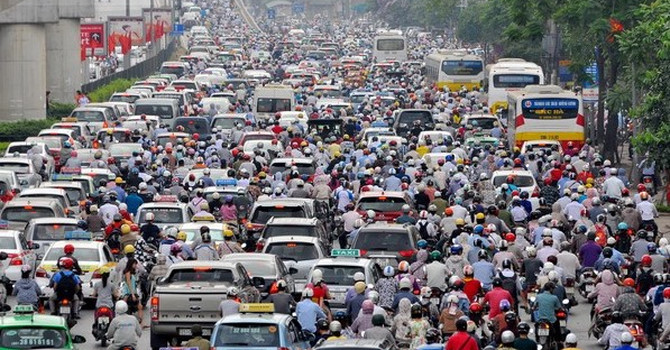

As we all know, traffic congestion in Hanoi is a common problem. That makes all the people in Hanoi feel very tired.
Every morning, students also have to go to school during peak hours and not every school has a shuttle bus for their students. High school and college students can go to school by bike or bus, but elementary and kindergarten students still need their parents to pick them up. This leads to the loss of parental time and contributes to increased congestion.
From this reality, I came up with the idea of setting up a taxi company to take students to school. The taxi company will sign a transfer contract of 3-5 students or more living close to each other and studying in close proximity. This is very useful, especially in crowded condominiums.
This service is really safe, convenient and cost effective, I believe there will be many supporters
Reference lists: https://baotintuc.vn/xa-hoi/dich-vu-dua-don-tre-dat-so-20130617072647300.htm
Writer: Phan Le Vu / ID: 20
The high GDP and the gradual improvement of the average income level bring Vietnam recently a completely new appearance. Along with the integration into the international market, Vietnamese society has gradually become more modern. New global trends are rapidly becoming popularly in Vietnam. Among them, the most impressive changing is consumer habit. Vietnamese market over the past few years has seen the influx of supermarket chains and convenience stores. The market share of traditional markets is rapidly shared and in this competition, the convenience stores themselves proved that they are gaining more & more advantages. Circle K is one of those convenience stores.
Circle K’s 1st store was opened in Vietnam on 20th, December 2008. Circle K stores open 24/7, providing a diversified range of genuine products and the most convenient services at affordable price. Therefore, they quickly attracted a large number of customers and so far their number of loyal customers is increasing by a series of smart, flexible and innovative sales policies. Until now, in Vietnam basically and in Hanoi, Circle K is the only chain of convenience stores which opens overnight. This innovative policy has given them additional clients at night. Indeed, Circle K seems to research the consumption habits of young Vietnamese people who have a habit of eating out and chatting until dawn. Therefore, after the familiar dining outlets closed from 11pm, Circle K become an ideal destination with food and drinks are always ready to be warm up and more importantly, customers can stay at the stores without worry about closing time.
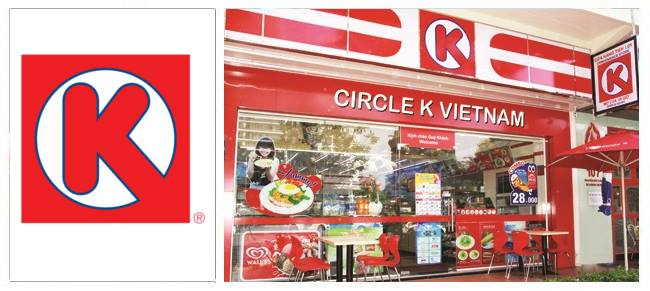
Until now, in Vietnam basically and in Hanoi, Circle K is the only chain of convenience stores which open 24/7
Source: http://ybox.vn/tuyen-dung/circle-k-viet-nam-tuyen-dung-751mhfcrhb
The recent “Mix n ‘Match” program that Circle K offers for their Froster drinks is an innovative selling program. Froster, well-known for its various colorful fruit flavors, is an exclusive beverage brand of Circle K with more than a hundred years of reputation in the US. In Vietnam in general and in Hanoi in particular, Circle K currently provides different Froster flavors including: strawberry, blueberry, peach, blue raspberry, green apple, passion fruit… changing seasonally.
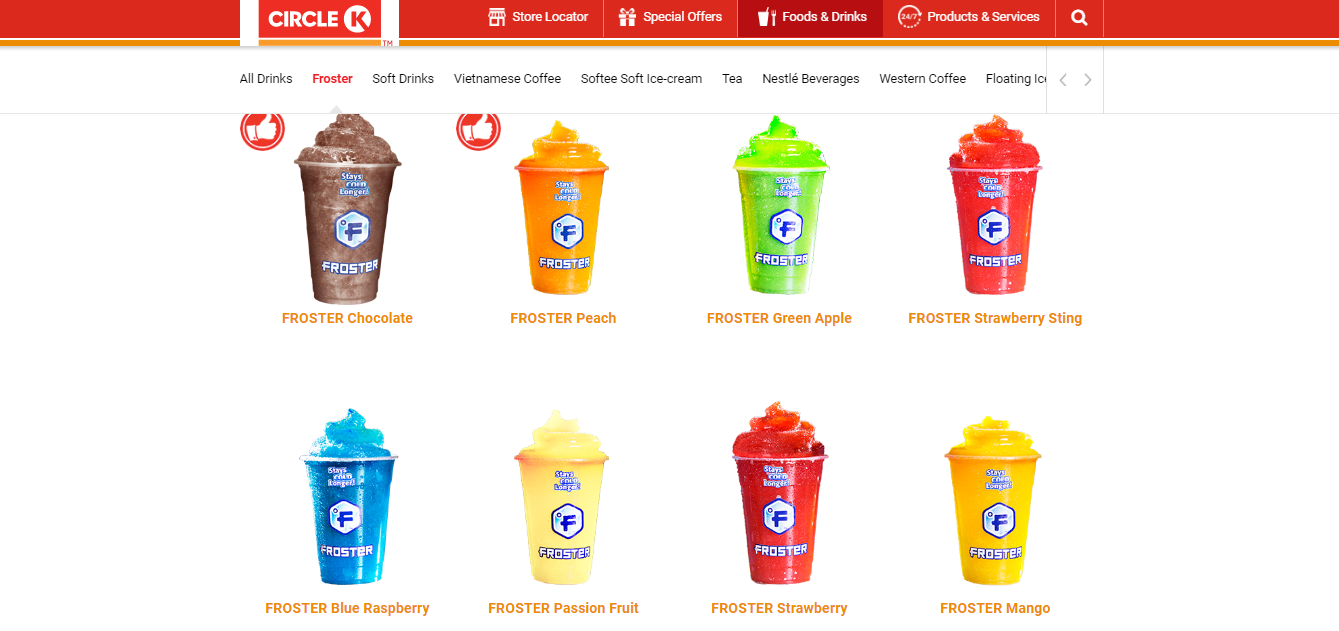
Circle K currently provides different Frosted flavors including: strawberry, blueberry, peach, blue raspberry, green apple, passion fruit… changing seasonally
Source: https://www.circlek.com.vn/en/food-service/drinks/
Recently, consumers have experienced a whole new style of consumption with drinks through the “Mix n ‘Match by yourself” program. Accordingly, customers are free to create their own flavor by mixing different available flavors in one cup following your taste preference and mood of the day. The price of this particular Froster glass is equal to regular Froster glasses. This exciting, creative an innovative change has given the customer the experience that cannot be found anywhere else but at Circle K.
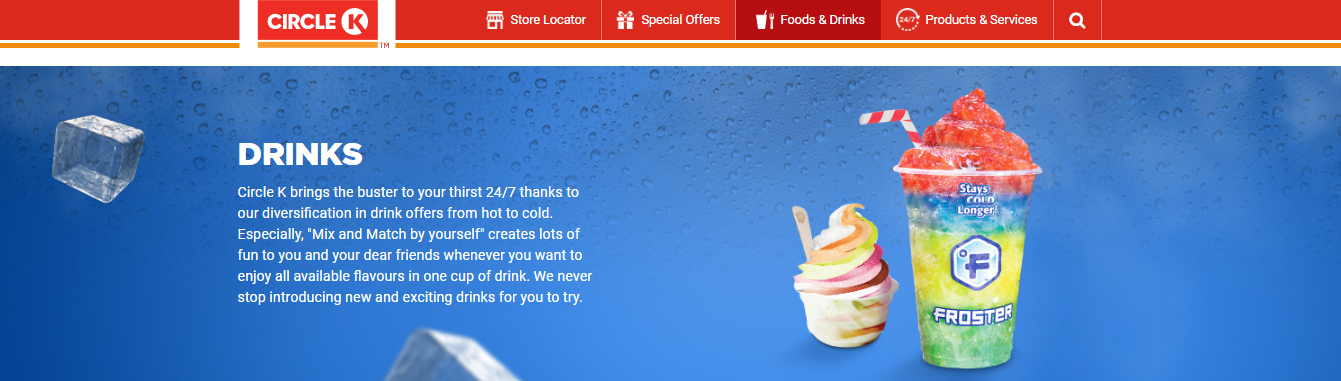
The “Mix n ‘Match by yourself” program
Source: https://www.circlek.com.vn/en/food-service/drinks/
As can be seen, the different, creative and innovative programs that bring customers exciting experiences are the key to success of this convenience store chain.
Writer of the summary : Nguyen Manh Tung – ID: 17
This article summarizes key points of MTA 2016 and orientations for MTA 2017. MTA is the International Precision Engineering, Machine Tools and Metaworking Exhibition & Conference. In the conference, enterprises exhibited products by many international brands with modern and advanced technologies such as metal cutting and forming machines, metrology, and other supporting systems and tools. There were 177 exhibitors from 19 countries and regions including 4 international group pavilions from Korea, Singapore and Taiwan joining this event. Furthermore, MTA 2016 attracted a huge number of international brands, such as Beijing JingDiao, Emuge, Carl Zeiss, … Lots of domestic organizations participating this event, for example, Bibus Vietnam; Dragon Precision….With the development of technology in terms of precision engineering and manufacturing issues, MTA Hanoi 2017 is planning to focus on concurrent education programs which are innovative community for manufacturers to study, create networks and understand deeply about industry insights and topical debates.
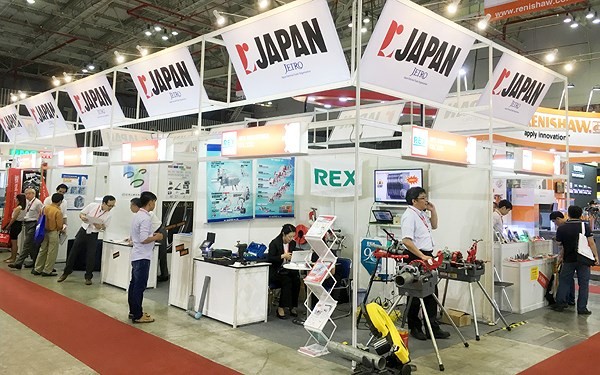
Why it is innovative?
The machinery and equipment are one of the direct elements of the main production process, so the modernization of machinery or technological innovation is very important for each enterprise. An industrial enterprise that wants to survive and grow will need to build a technological innovation plan. Advances in science and technology, innovation in technology will enable the quality of products to create new products, diversify products, increase productivity, increase labor productivity, use rational saving This will increase competitiveness, expand markets, accelerate rapid growth and improve business efficiency. Technology innovation is really the right direction of a potential industrial enterprise. Therefore, MTA is known as an ideal place where businesses present as well as approach the latest technological advances.
Furthermore, It is also a place where customers interact directly with the specialist, where they can meet in the most tangible way. It will be the most efficient bridge for the northern manufacturing industry to seek the supply of machine.
Writer: Nguyen Manh Tung – Number 17